
In today’s fast-paced rental and event management industry, automation is no longer a luxury—it is a necessity. Companies managing equipment rentals, production workflows, logistics, and customer data need systems that communicate seamlessly and update in real time. This is where RentMan API and Webhook integration plays a critical role.
As businesses move toward intelligent automation and interconnected digital ecosystems, integrating RentMan with external platforms such as CRMs, ERPs, accounting tools, analytics dashboards, and custom applications has become a strategic priority. In this guide, we explore how RentMan APIs and Webhooks work, why expert integration matters, and how these technologies will shape rental management systems in 2026 and beyond.
Understanding the RentMan Platform
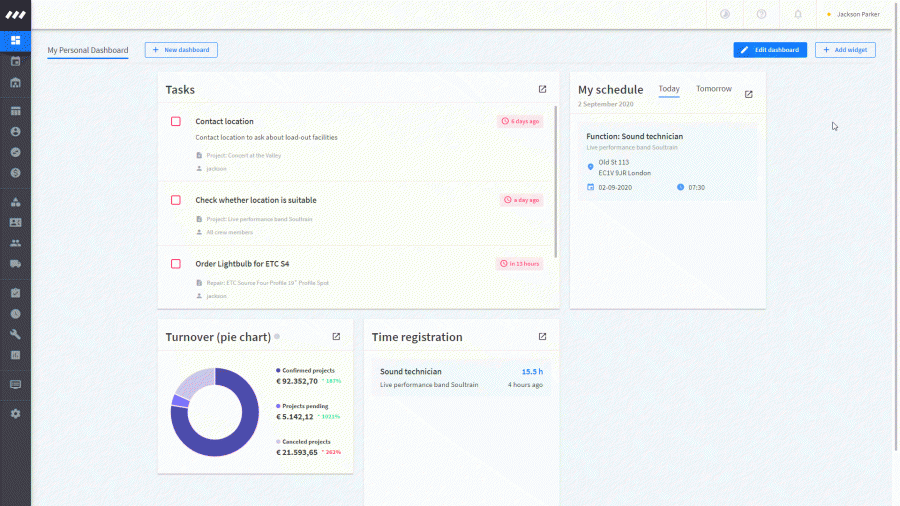
RentMan is a powerful rental management software widely used by event production, AV rental, and equipment rental companies. It helps businesses manage inventory, projects, planning, logistics, and financial workflows from a single platform.
However, as organizations grow, they often rely on multiple systems rather than a single application. For example, a company may use RentMan for inventory and project management, a separate CRM for customer data, an accounting system for invoicing, and business intelligence tools for reporting. Without integration, these systems operate in silos—leading to inefficiencies, data duplication, and human error.
This is where RentMan API and Webhook integration becomes essential.
What Is the RentMan API?
The RentMan API is a REST-based interface that allows developers to programmatically interact with RentMan data. Through authenticated API calls, external applications can securely read, create, update, and synchronize information stored in RentMan.
Using the RentMan API, businesses can access and manage:
- Equipment and inventory records
- Projects and planning data
- Contacts and customer details
- Scheduling and logistics information
- Financial and operational data
Because the API follows standard REST principles, it is compatible with modern development frameworks and programming languages, making it ideal for custom integrations and enterprise-grade solutions.
What Are Webhooks and Why Do They Matter?
While APIs allow systems to request data, webhooks allow systems to receive data automatically when an event occurs.
A RentMan webhook sends real-time notifications to a configured endpoint whenever a specific action happens in the system. For example:
- A new project is created
- Equipment availability changes
- A contact record is updated
- A project status is modified
Instead of repeatedly checking the RentMan API for updates (a method known as polling), webhooks push data instantly to your system. This event-driven approach reduces server load, improves performance, and enables real-time automation.
How RentMan API and Webhooks Work Together
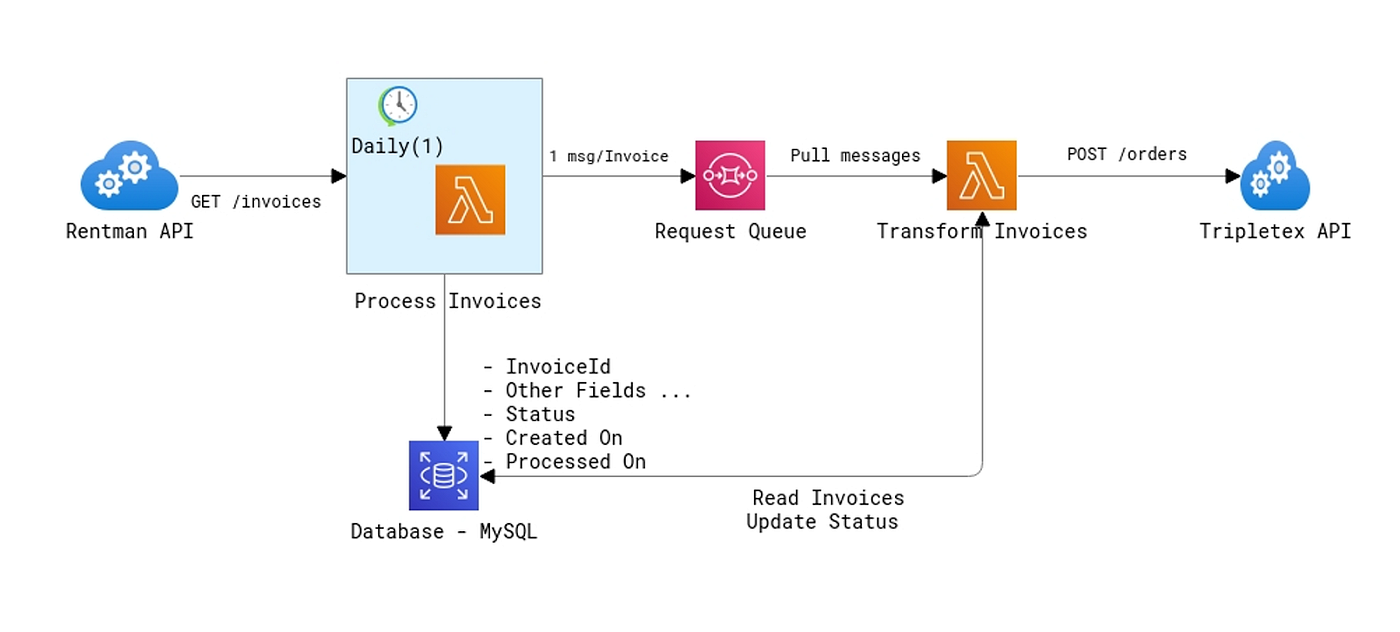
The true power of RentMan integration comes from combining APIs and webhooks into a unified workflow.
A typical integration flow looks like this:
- Webhook Event Triggered
An action occurs inside RentMan, such as a project update. - Webhook Notification Sent
RentMan sends a secure payload to your webhook endpoint. - Business Logic Executed
Your application processes the event and determines what action to take. - API Call Performed
If additional data is required, your system fetches it using the RentMan API. - External Systems Updated
CRM, ERP, analytics, or notification systems are updated automatically.
This architecture ensures accuracy, speed, and scalability across all connected platforms.
Key Benefits of RentMan API & Webhook Integration
1. Real-Time Data Synchronization
With webhooks, changes in RentMan are reflected instantly across connected systems. This eliminates delays and ensures all teams work with up-to-date information.
2. Reduced Manual Work
Automated data exchange removes the need for repetitive manual entry, reducing errors and saving valuable operational time.
3. Improved Operational Efficiency
Integrated systems streamline workflows such as project creation, equipment allocation, invoicing, and reporting.
4. Scalability for Growing Businesses
As rental operations expand, integrations ensure systems can handle increasing data volumes without performance issues.
5. Enhanced Customer Experience
Accurate, real-time information improves response times, project accuracy, and overall customer satisfaction.
Why Expert Integration Is Essential
Although RentMan provides powerful APIs and webhooks, implementing them correctly requires experience and technical expertise. Poorly designed integrations can lead to security vulnerabilities, data inconsistencies, and system failures.
Professional RentMan API and webhook integration services ensure:
- Secure authentication and authorization
- Proper webhook validation and error handling
- Scalable architecture for high-volume events
- Reliable logging and monitoring
- Compliance with data protection standards
For businesses using RentMan as a core operational platform, expert integration is not just beneficial—it is critical.
RentMan API vs Other API Models in 2026
As we approach 2026, API strategies are evolving rapidly. Understanding how RentMan’s REST API and webhooks compare to other models helps businesses make informed technology decisions.
REST APIs
REST remains the most widely adopted API standard. It is simple, flexible, and compatible with nearly all systems. RentMan’s REST API fits well into this ecosystem.
GraphQL APIs
GraphQL offers flexible querying and reduces over-fetching of data. While powerful, it requires more complex implementation and is often used for frontend-heavy applications.
Webhook-Driven Architecture
Webhooks are becoming essential for real-time automation. In modern systems, they complement APIs rather than replace them.
The future belongs to hybrid architectures, where REST APIs handle structured data access and webhooks manage event-based automation—exactly how RentMan integrations are designed.
API Integration Trends Businesses Will Follow in 2026
As digital ecosystems mature, companies are adopting more advanced integration strategies. Key trends include:
Unified API Platforms
Businesses increasingly use unified APIs to connect multiple SaaS tools through a single integration layer, reducing development time and maintenance costs.
Event-Driven Systems
Webhook-based architectures enable real-time workflows, predictive automation, and faster decision-making.
Security-First API Design
OAuth, token management, payload validation, and encryption are becoming standard requirements for enterprise integrations.
AI-Driven Automation
Integrated APIs feed data into AI and analytics platforms, enabling smarter forecasting, demand planning, and operational insights.
RentMan integrations that align with these trends will remain future-proof and competitive.
Common Use Cases for RentMan API Integration
RentMan API and webhook integrations are used across a wide range of business scenarios, including:
- Syncing RentMan projects with CRM systems
- Automating invoice creation in accounting software
- Updating inventory availability in real time
- Integrating logistics and warehouse management systems
- Building custom dashboards and analytics tools
- Connecting RentMan with mobile or field service applications
Each use case requires a tailored approach to ensure reliability and performance.
Why Choose Bolder Technologies for RentMan Integration
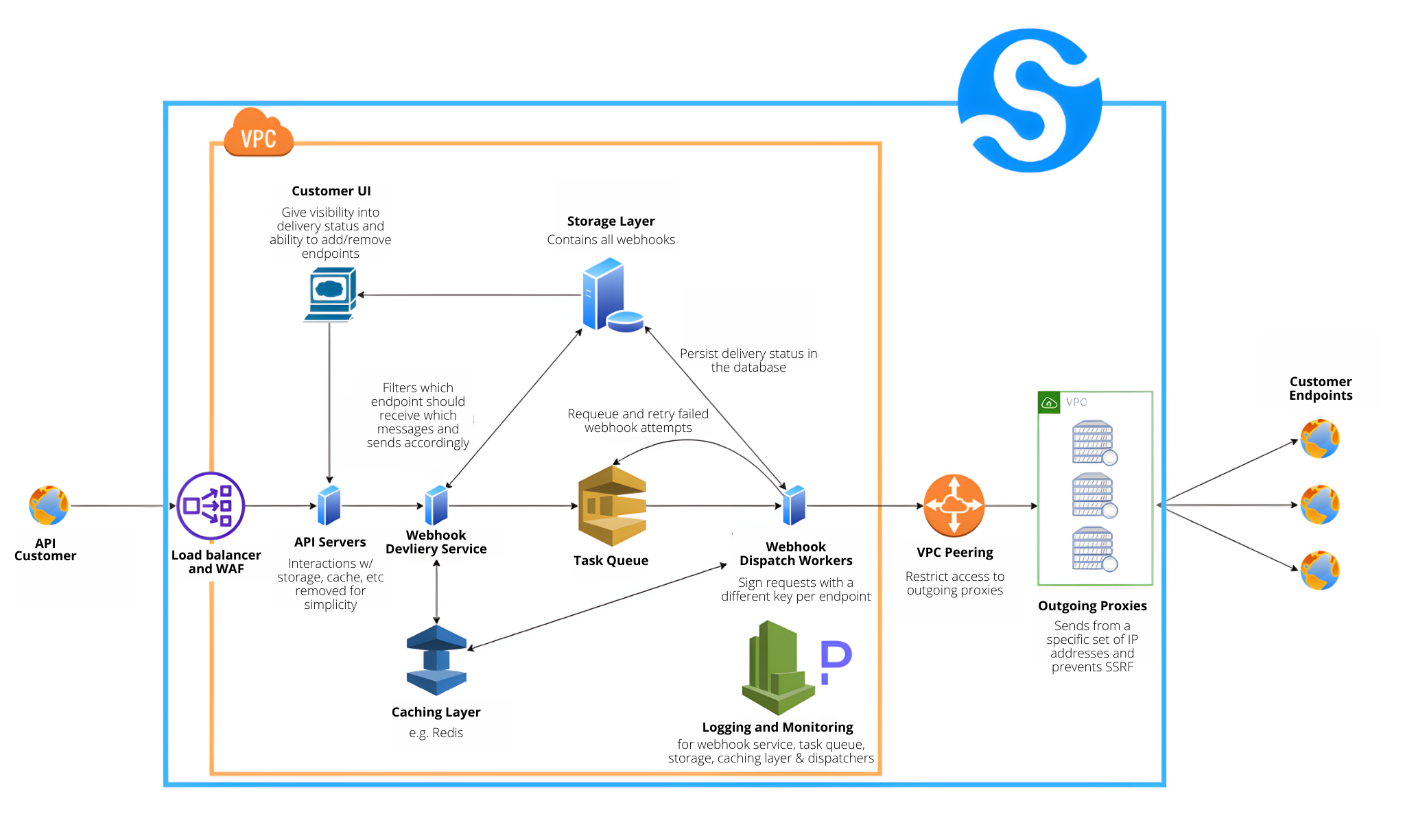
At Bolder Technologies, we specialize in designing and implementing scalable API and webhook integrations tailored to complex business environments. Our approach focuses on long-term reliability, performance, and security.
We help businesses:
- Design custom RentMan API architectures
- Implement secure webhook endpoints
- Automate cross-platform workflows
- Monitor and maintain integrations at scale
- Prepare systems for future growth and upgrades
Whether you are building a new integration or optimizing an existing one, our expertise ensures your RentMan ecosystem works seamlessly with your entire technology stack.
Final Thoughts
RentMan API and webhook integration is more than a technical enhancement—it is a strategic investment in operational efficiency, scalability, and future readiness. As businesses move toward fully automated, data-driven environments in 2026, real-time integration will define industry leaders.
By combining robust API access with event-driven webhooks and expert implementation, organizations can unlock the full potential of RentMan and build connected systems that grow with their business.
If your goal is to eliminate silos, reduce manual effort, and create a future-ready rental management ecosystem, RentMan API & Webhook integration is the foundation—and expert execution makes all the difference.
Frequently Asked Questions (FAQs)
1. What is RentMan API integration?
RentMan API integration allows businesses to connect RentMan with external systems such as CRMs, ERPs, accounting software, and analytics platforms to automate data exchange and workflows.
2. What are RentMan webhooks used for?
RentMan webhooks are used to send real-time notifications when specific events occur in RentMan, such as project updates, inventory changes, or contact modifications.
3. What is the difference between RentMan API and webhooks?
The RentMan API is used to request and manage data programmatically, while webhooks automatically push data to your system when events occur. Together, they enable real-time, event-driven automation.
4. Is RentMan API integration secure?
Yes. When implemented correctly, RentMan API integration uses secure authentication, encrypted data transfer, webhook validation, and access control to protect sensitive business data.
5. Can RentMan integrate with CRM and ERP systems?
Yes. RentMan can be integrated with CRM, ERP, accounting, inventory, and custom business applications using APIs and webhooks for seamless data synchronization.
6. Do I need a developer for RentMan webhook integration?
Yes. Webhook integration requires backend development expertise to handle authentication, payload validation, error handling, and scalability.
7. How long does RentMan API integration take?
The timeline depends on complexity. Simple integrations may take a few days, while enterprise-grade, multi-system integrations can take several weeks.
8. Is RentMan API suitable for large-scale rental businesses?
Absolutely. RentMan APIs and webhooks are designed to support scalable, enterprise-level workflows and real-time data synchronization.
9. What are common challenges in RentMan integration?
Common challenges include webhook failure handling, API rate limits, data mapping, security compliance, and maintaining integration performance at scale.
10. Why choose Bolder Technologies for RentMan API integration?
Bolder Technologies offers expert RentMan API integration service, secure webhook implementation, scalable automation, and long-term integration support tailored to business needs.
Need Help Integrating APIs?
Let us handle the tech so you can focus on growing your business.
🚀 Book a Free Consultation